
Hobby vs. Retail Card Boxes: Blasters, Megas, Hangers and Value Boxes Explained
Disclosure: As an Amazon Associate I earn from qualifying purchases. Some links on this page are affiliate links. See my Privacy Policy.
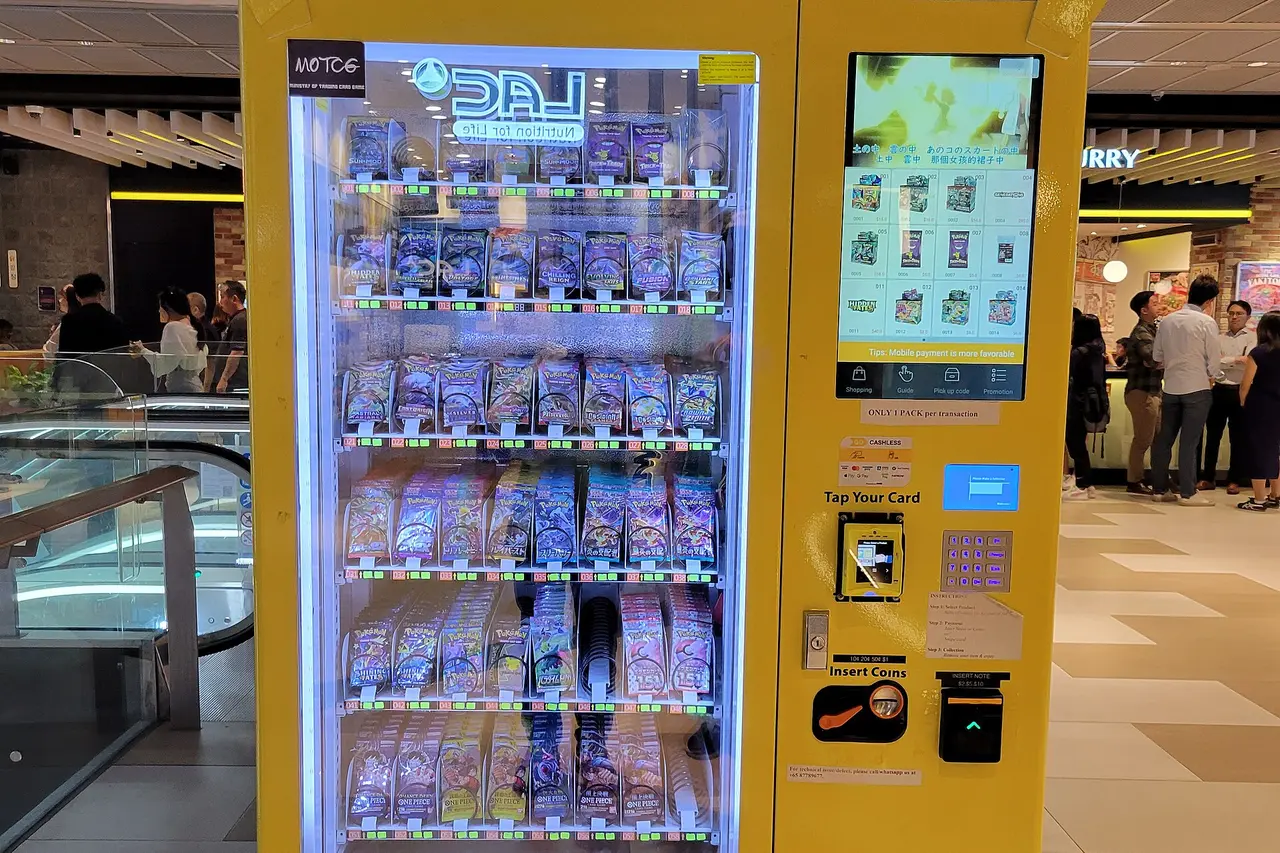
Walk into a card shop and then into the card aisle at a big-box store, and you'll see the same product sold in very different boxes. A hobby box, a blaster, a mega box and a hanger of the same set can share a base checklist and still give you completely different odds, parallels and guaranteed cards. Knowing what each format is built for is the easiest way to stop wasting money on boxes that don't match what you're chasing.
One rule before anything else: configurations change from product to product and year to year. One hobby box might guarantee one autograph, another several. A blaster from one set might hold six packs and one from another set more. Treat everything below as a general guide, and always check the specific product's box details before you buy. We don't list prices because they swing with demand and vary by retailer.
The two big families: hobby and retail
Panini's own guide to box types says card programs are split between hobby and retail releases. Some bigger programs come in both, while others are reserved for one or the other. Hobby versions carry the more exclusive cards, while retail versions are more widely available. Topps describes retail boxes as lower-priced boxes sold in large retail stores like Walmart or Target that may share the same base set as a hobby box but have fewer guaranteed hits and chase cards.
| Format | Where it's usually sold | What it's built for |
|---|---|---|
| Hobby / Jumbo / FOTL | Card shops, online hobby dealers, manufacturer sites | Guaranteed hits, hobby-only parallels and inserts |
| Blaster / Value box | Big-box retail and online | Affordable rips, retail-exclusive parallels |
| Mega box | Big-box retail and online | More cards, mega-exclusive parallels |
| Hanger, fat pack, cello, gravity feed | Retail pegs, checkout lanes, card aisles | Cheap single-pack rips and set building |
Hobby boxes
Topps defines hobby boxes as high-end boxes that typically include more chase cards, which makes them more expensive, and says they're usually distributed only through hobby shops or online. Panini adds that hobby boxes differ from retail with different parallels, inserts and signatures, frequently include more cards, and come with a guaranteed quantity of special cards. A hobby box can hold anywhere from a single pack to 15 or more, depending on the product.
What you're paying for is access: guaranteed autographs or relics on many products, numbered parallels, short prints and hobby-only inserts. Some high-end releases don't have a retail version at all. Hobby boxes can also include box toppers (box loaders), special cards Topps describes as hobby-box-only, and some products have case hits inserted one per case of boxes.
Jumbo boxes
Jumbo is a hobby format with bigger packs. In Topps' breakdown of 2026 Topps Series 1 Baseball, the regular Hobby Box guaranteed an autograph or a relic, while the Hobby Jumbo Box had larger packs, more cards per rip, and guaranteed both an autograph and a relic. That's a good example of how formats within the same product are tuned for different buyers.
FOTL (First Off The Line)
On Panini products you'll see FOTL boxes. Panini explains that FOTL is the first run of a release, hitting shelves earlier than regular hobby. FOTL boxes have the same quantity of content as standard hobby boxes, but they're guaranteed to include FOTL-specific exclusive parallels.
Blaster and value boxes
The blaster is the box most casual collectors know. Topps describes blasters as retail boxes sold at large stores like Walmart and Target that hold anywhere from 4 to 15 packs. Panini calls them an accessible way to grow a collection: a lower price point, easier to find than hobby, and often stocked with retail-exclusive parallels you can't pull from hobby boxes.
The tradeoff is hits. On most products, autographs and relics are possible in a blaster, not guaranteed. Read the box carefully: "possible," "look for" and "on average" mean something very different from "guaranteed." Topps often uses the name Value Box for its blaster-style retail box. In 2026 Topps Series 1, for example, Value Boxes carried exclusive Spring Training base card parallels.
Mega boxes
Mega boxes are bigger retail boxes with more packs and cards than a blaster. Cardlines describes them as the retail format most similar to hobby boxes, because they hold more cards and usually offer better guaranteed parallels. Many products give megas their own parallels. Topps' 2026 Series 1 guide, for instance, highlighted Mega-exclusive color parallels and specialty foil treatments built around the core checklist.
Hangers, fat packs, cellos and gravity feeds
- Hangers: Panini says hanger packs and boxes hang on store aisles and in checkout lines, and calls them the most common form of retail release. Cardlines notes a hanger box typically holds a single pack, often with its own exclusive parallels or chase cards.
- Fat packs: stout single packs that Panini says carry more cards than a hanger pack and can hold upwards of 30 cards.
- Cello packs: named for their clear, cellophane-like wrap. Cardlines notes modern cellos often contain several smaller packs, sometimes including a pack of cello-exclusive parallels.
- Gravity feeds: loose packs sold from a box that dispenses from the bottom. They're cheap single packs, and Cardlines notes they sometimes carry their own exclusive parallels.
These small formats are great for building a base set or ripping a pack for fun. They're the hardest formats to buy safely, though, as covered below.
Why the format decides which parallels you can pull
This is the part new collectors miss most. A color that exists in a mega box may not exist in hobby, and a hobby-only parallel can't come out of a blaster. Some retail parallels are even tied to one retailer; Cardlines points to Topps' Target red parallels of the early-to-mid 2010s and the purple parallels once tied to Toys R Us. Before you value a shiny card, confirm which format it came from on the product checklist. Our guide to parallels, serial numbers and short prints walks through identifying exactly what you pulled.
How to read a box before you buy
- Find the official box breakdown. Manufacturers and hobby sites publish what each format includes: packs per box, cards per pack and any guarantees.
- Separate "guaranteed" from "possible." A box that says autographs are possible is not promising you one.
- Check the checklist for format-exclusive cards. If you want a specific parallel color, make sure it's actually in the box you're holding.
- Think per card, not per box. Compare the number of cards and the kind of cards you want against the price, not just the box's sticker price.
- Decide if you'd rather buy the single. If you want one specific rookie, buying that card outright is often cheaper and always more certain than ripping for it. See our guide to what counts as a rookie card so you buy the right one.
Buying sealed product safely
- Watch for searched packs. Cardlines warns that loose retail packs are sometimes searched or weighed by people trying to find the better cards before anyone else buys them. Sealed boxes of loose-pack formats are generally preferred for that reason.
- Check the shrink wrap. Upper Deck's blog describes a collector who bought a retail box that had been opened, picked over and rewrapped in generic shrink wrap, then returned to the store. Upper Deck points to its logo printed on factory shrink wrap as one of the easiest checks. Where a manufacturer uses branded wrap, look for the logo, check every seam for glue or tape, and be suspicious of loose or doubled wrap.
- Buy from sellers you trust. Established hobby shops and reputable online dealers have reputations to protect. For pricey sealed boxes on the secondary market, check seller feedback and ask for clear photos of every side.
- Know what a break is. If you'd rather not buy a whole box, breakers open boxes or cases on stream and sell spots, such as a team. Topps describes both random breaks and team breaks. Read the breaker's rules and reviews first.
Which box should you buy?
- Chasing autographs and big hits: hobby or jumbo, where guarantees exist.
- Building a set or collecting a team: blasters, value boxes, megas and fat packs give you more base cards for the money.
- Chasing a specific parallel: whichever format the checklist says it's in, and nothing else.
- Ripping for fun on a budget: a hanger or blaster, with the understanding that hits aren't promised.
- Want one specific card: skip the box and buy the single.
After the rip
Sleeve and toploader your best pulls right away. Our guide to sleeves, toploaders and storage covers what to buy, and Is It Worth Grading Your Sports Card? helps you decide whether a pull should go to a grader.
Sources: Panini America: Hobby, Retail, Hanger, Blaster, Fatpack, FOTL, Topps Ripped glossary, Topps Ripped: 2026 Topps Series 1 box guide, Cardlines: retail formats, Powers Sports Memorabilia: box types, Upper Deck: pack tampering.
Read next

Ripping Bowman for prospects? See Bowman Chrome vs. Draft vs. paper and the rest of my Bowman 1st section.
Store opening soon
Golden Era Collectibles is my own shop for cards and collectibles. The first drop is being put together now.