
How to Spot Fake Pokémon Cards: 10 Checks Before You Buy
Disclosure: As an Amazon Associate I earn from qualifying purchases. Some links on this page are affiliate links. See my Privacy Policy.
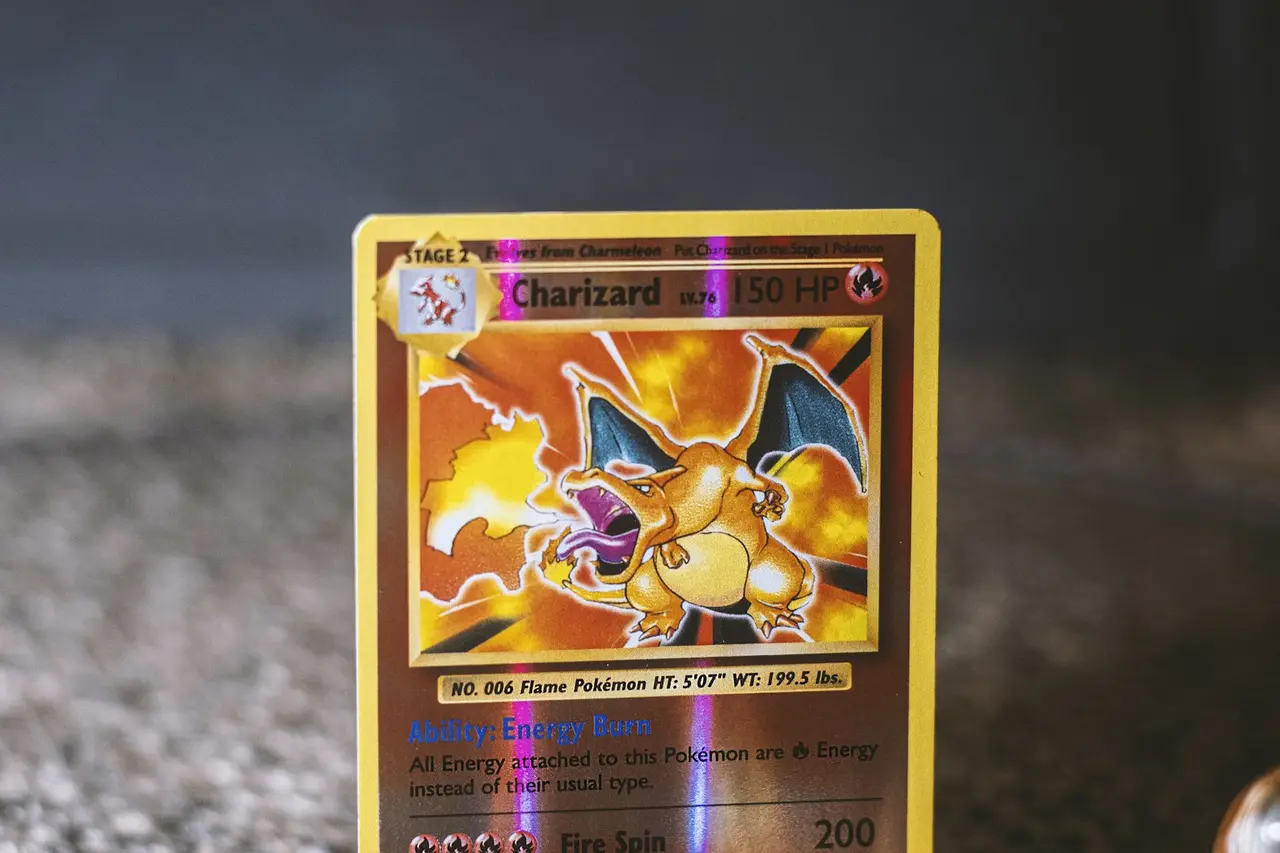
Fake Pokémon cards are everywhere: in cheap online "lots," at flea markets, and sometimes mixed into trades. Most fakes fail a few simple checks. The trick is to compare against a card you know is real, and against an official scan of the exact card.
Start with a known real card
TCGplayer's guide says comparing the card back with an authentic Pokémon card is one of the most reliable checks. Keep a common or two from a sealed pack you opened yourself as a reference. Then look up the exact card (same set and card number) in an official or trusted database, so you know what the front should look like.
The 10 checks
- The back. Real backs have a deep, even blue with a sharp swirl pattern and a crisp Poké Ball. Fakes are often too light, too purple, blurry or washed out.
- Spelling and the accent. Look for typos and a missing "é" in Pokémon. Real cards are carefully proofread.
- Fonts and text spacing. Compare the attack names, HP and the small text at the bottom. Fakes often use the wrong font, odd spacing or text that's too bold.
- Energy symbols. Symbols that are the wrong size, sit off-center or have the wrong colors are a common giveaway.
- Numbers that make no sense. Fakes sometimes have impossible HP, attack damage that doesn't match the official card, or the wrong weakness.
- Evolution stage and set details. TCGplayer suggests checking that the stage, set symbol and card number match the real card's details.
- Foil in the wrong place. Check where the holo foil sits against the official scan. Fakes often get the foil area or pattern wrong, or use a flat, glossy shine with no texture.
- Artwork. Blurry, pixelated or cropped artwork, or art that doesn't match the official card, is a red flag.
- Feel and thickness. Real cards have a particular stiffness and texture. Fakes can feel slippery, flimsy or too thick. Compare side by side with a real card from the same era.
- The edges. Look at the edge with a loupe or your phone camera. Real cards are made of layers, and you can often see a thin dark line in the middle of the edge. Treat this as one clue among several, not proof on its own.
Tests to skip
TCGplayer warns against bending, ripping or relying on "light tests." Bending or ripping destroys the card even if it's real, and light tests vary by era and printing, so they can mislead you. Stick to the visual and side-by-side checks above.
Red flags when buying
- Too-good-to-be-true lots: "100 cards, all holos and ex, $20" is almost always fake.
- Stock photos instead of real ones: ask for clear photos of the front, the back and an edge.
- Graded slabs: fake slabs exist too. Look up the certification number on the grader's own website. PSA has a public cert verification page, and the card in the database photo should match the one in the slab.
- Marketplace policies: use platforms with buyer protection, and know their counterfeit rules. TCGplayer and Cardmarket both publish help pages on reporting counterfeits.
When to pay for authentication
For a valuable card, the safest move is to have a grading company check it. PSA confirms a card is genuine before grading it. Our PSA vs CGC guide compares the costs. Also see our guide to spotting trimmed or altered cards, which applies to Pokémon as much as sports cards.
Sources: TCGplayer: How to Spot Fake Pokémon Cards, TCGplayer Help: How do I know if an item is counterfeit?, Cardmarket Help: Spotting a Counterfeit, PSA: Cert Verification, PSA: Authentication.
Read next


Store opening soon
Golden Era Collectibles is my own shop for cards and collectibles. The first drop is being put together now.