
PSA vs CGC for Pokémon Cards: Fees, Wait Times and Resale Value
Disclosure: As an Amazon Associate I earn from qualifying purchases. Some links on this page are affiliate links. See my Privacy Policy.
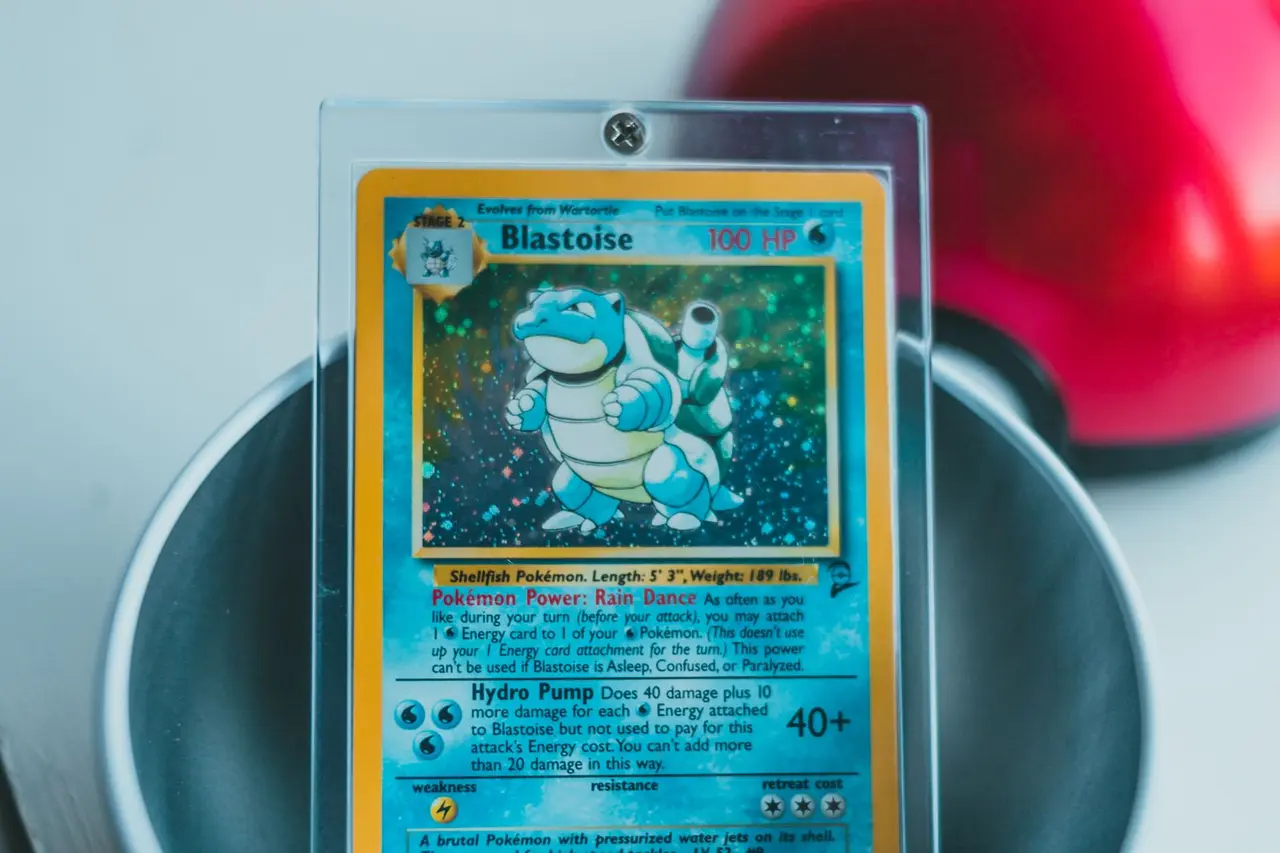
PSA and CGC grade most Pokémon cards, with Beckett (BGS) a distant third. Which one is right for you depends on what the card is worth, whether you plan to sell, and how long you can wait. Here's the comparison, with fees as published in fall 2026.
Fees and turnaround (as of Sept 26, 2026)
CardTrack checked each grader's own fee page on September 26, 2026. The cheapest tiers you can book:
| Grader | Cheapest tier | Fee per card | Published turnaround |
|---|---|---|---|
| PSA | Standard (declared value up to $1,000) | $59.99 | 90–100 business days |
| CGC Cards | Bulk (25+ cards, value up to $500) | $17 | 150 business days |
| CGC Cards | Economy (value $500–$1,000) | $20 | 90 business days |
| Beckett (BGS) | Express (value up to $2,500) | $79.95 | 15 business days |
Add shipping and insurance both ways. CardTrack estimates about $20 or more per card, plus about 1% of the declared value for insurance. CardTrack also notes that PSA's cheaper Value tiers have been paused since June 2, 2026. Fees change, so check the grader's site before you submit.
Resale value: why PSA usually wins for selling
CardTrack says PSA 10s usually sell for the most on Pokémon cards, and PSA has the deepest resale market. If you plan to sell a high-value card, especially vintage, PSA is usually the safer choice even though it costs more.
Where CGC makes sense
- Cheaper modern cards. CGC's Bulk tier is much cheaper per card if you can send 25 or more and you're willing to wait.
- Sub-grades. CGC offers centering, corner, edge and surface sub-grades for an extra $10, according to CardTrack. PSA's standard label has none, while Beckett includes them.
- Cards you're keeping. If resale value isn't the point, the cheaper slab protects the card just as well.
Is it worth grading at all?
CardTrack's break-even test is a good rule: grading pays off when the graded price is more than the raw price plus the fee plus shipping, and only as often as the card actually gets the grade you're hoping for. A $5 card can't pay for a $60 grading fee. A card whose PSA 10 sells for several times the raw price often can.
Before you submit, look at the card closely. Our pre-grading checklist covers centering, corners, edges and surface. Our full PSA vs BGS vs CGC vs SGC comparison covers the sports-card side.
How to submit
- Choose the grader and the tier based on what the card would be worth graded, not raw.
- Put the card in a penny sleeve, then a semi-rigid card saver. Most graders ask you not to use toploaders.
- Ship with tracking and insurance for the declared value.
- Track the order online. Published turnaround times are estimates and change with backlogs.
Don't want to mail cards in? CardTrack notes that GameStop and many local card shops take in-person PSA submissions, at their own pricing.
Sources: CardTrack: Cost to grade Pokémon cards (fees checked Sept 26, 2026), PSA: Trading card grading, CGC Cards: Services and fees, Beckett Grading, Poke-Life: PSA vs CGC.
Read next


Store opening soon
Golden Era Collectibles is my own shop for cards and collectibles. The first drop is being put together now.